
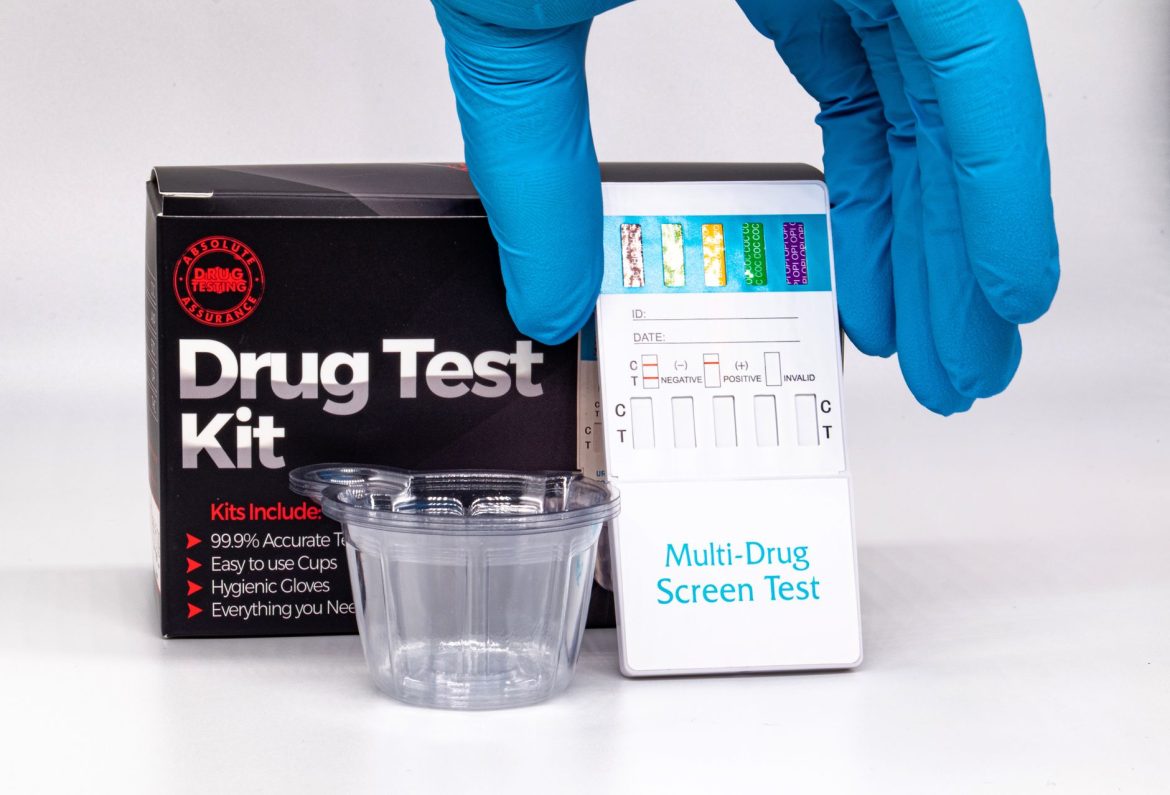
Air India pilot drug test has raised serious concern following the discovery of a psychoactive substance. The investigation is currently underway to determine the implications of this finding.
Investigation Details of Air India Pilot
The recent investigation into an Air India pilot has revealed alarming findings following a routine drug test. The pilot, operating a flight from Phuket to Delhi, tested positive for a psychoactive substance, raising serious concerns about safety and compliance within the airline.
According to the probe report, the pilot underwent a standard drug test as part of Air India’s commitment to ensuring the safety of its passengers and crew. The results not only surprised the airline management but also triggered an immediate review of existing drug testing protocols.
The implications of the positive test result are profound, prompting the airline to take the following actions:
- Immediate Suspension: The pilot has been suspended pending further investigation.
- Enhanced Testing: Air India is considering more frequent and rigorous drug tests for its pilots.
- Policy Review: The airline will review its drug and alcohol policies to prevent future incidents.
Furthermore, aviation safety experts emphasize the need for strict adherence to regulations to protect passengers and maintain public trust in air travel. The Air India pilot drug test incident serves as a critical reminder of the ongoing challenges in ensuring aviation safety.
Impact on Air India Operations
The recent drug test of an Air India pilot has raised serious concerns regarding the airline’s operational integrity. Following the revelation that the Phuket-Delhi flight pilot tested positive for a psychoactive substance, stakeholders are now questioning the potential ramifications on flight safety and passenger trust.
Air India operates numerous flights daily, and any disruption in pilot availability could lead to significant operational challenges. The implications of this incident are far-reaching:
- Flight Delays: With rigorous drug testing protocols in place, any positive test could lead to immediate grounding of crew members, resulting in flight delays and cancellations.
- Reputation Damage: Incidents like these can tarnish the airline’s reputation, making passengers hesitant to choose Air India over competitors.
- Increased Scrutiny: Regulatory bodies may impose stricter oversight on Air India’s operations, requiring more frequent drug tests and oversight, which could strain resources.
- Impact on Morale: The incident may affect the morale of other pilots and crew, leading to unease within the workforce.
As Air India navigates this challenging situation, the airline’s response to the pilot drug test will be crucial in mitigating any lasting damage.
Safety Protocols in Aviation
The recent incident involving an Air India pilot drug test has brought to light critical issues surrounding safety protocols in aviation. Ensuring the safety of passengers and crew is paramount, and any breach of these protocols can have dire consequences.
In aviation, strict regulations govern the health and conduct of pilots. These regulations include regular medical examinations and random drug testing to prevent substance abuse. The detection of psychoactive substances in a pilot’s system not only raises alarm but also questions the efficacy of existing safety measures.
Industry experts emphasize the importance of stringent drug testing procedures. They argue that comprehensive training and education on the effects of drugs, including legal substances, should be mandatory for all aviation personnel. Furthermore, the implementation of more frequent and randomized drug tests could serve as a deterrent against substance abuse.
As the aviation industry grapples with this serious concern, stakeholders are calling for a review of current safety protocols. The goal is to foster a culture of accountability and safety, ensuring that incidents like the Air India pilot drug test become a rarity rather than the norm.
Public Reaction to Drug Test
The recent revelation regarding the Air India pilot drug test has sparked significant public concern. Many passengers and aviation experts are questioning the safety protocols in place for airline operations. The incident, involving a pilot tested positive for a psychoactive substance, has led to heightened scrutiny of drug testing procedures within the airline industry.
Public reaction has been largely critical, with many expressing outrage over the potential risks to passenger safety. One frequent flyer commented, “I never imagined that something like this could happen. It makes me rethink my travel plans.” Similarly, an aviation analyst stated, “This incident reflects a serious gap in safety measures. Drug testing for pilots must be stringent and transparent.”
Social media has exploded with discussions surrounding the Air India pilot drug test, with users sharing their fears and demanding accountability. “How can we trust airlines if their pilots are not held to the highest standards?” queried another user on Twitter.
As the investigation continues, it remains to be seen how Air India will address these concerns and what measures will be implemented to restore public confidence in airline safety.
Regulations on Pilot Substance Use
The recent incident involving an Air India pilot testing positive for a psychoactive substance has sparked a debate about the regulations surrounding pilot substance use. Aviation authorities have stringent rules in place to ensure the safety of passengers and crew, but the enforcement of these regulations can vary significantly across different airlines.
Currently, the Air India pilot drug test protocols include random screenings and mandatory testing following any incident. However, critics argue that these measures are not enough to deter substance use among pilots. The regulations mandate that pilots must be free of any impairing substances before operating an aircraft, yet the effectiveness of these rules continues to be questioned.
Moreover, the definition of psychoactive substances and the level of scrutiny applied during testing can lead to discrepancies in how regulations are interpreted and enforced. Industry experts recommend a thorough review of existing regulations to ensure they align with best practices in aviation safety.
As more details emerge from the investigation, stakeholders are calling for enhanced transparency and accountability to restore public trust and ensure the highest safety standards are upheld in the aviation industry.
Airline Industry Standards
The recent incident involving the Air India pilot drug test has highlighted critical issues surrounding airline industry standards. As airlines strive to maintain the highest levels of safety, the discovery of psychoactive substances in a pilot’s system raises serious concerns about compliance with existing regulations.
Industry experts emphasize the importance of stringent testing protocols to ensure that pilots are fit for duty. The aviation sector operates under strict guidelines established by regulatory bodies, which mandate regular drug and alcohol testing for flight crew members. However, the effectiveness of these measures can be called into question when incidents like this occur.
- Testing Frequency: Many airlines conduct random drug tests, but the frequency and rigor of these tests vary significantly.
- Awareness and Training: Continuous education about the dangers of substance use is crucial in maintaining safety standards.
- Industry Culture: A supportive culture that encourages pilots to report issues without fear of repercussions can improve compliance with testing.
In light of the recent Air India pilot drug test, stakeholders are calling for a review of policies to enhance safety across the airline industry and prevent similar incidents in the future.
Future Implications for Air India
The recent incident involving an Air India pilot drug test has raised serious concerns about the future of the airline and its operations. As investigations continue, the implications for Air India could be profound, affecting not only its reputation but also its regulatory standing in the aviation industry.
Experts suggest that if this trend continues, Air India may face stricter scrutiny from aviation authorities. This could lead to enhanced regulations and oversight, not only for Air India but potentially for all airlines operating in the region. With public trust at stake, the airline must prioritize transparency and accountability in addressing these issues.
Furthermore, the airline may need to reassess its current training and support programs for pilots, focusing on mental health and substance abuse prevention. Implementing robust measures could help rebuild confidence among passengers and regulators alike.
In addition, a failure to effectively manage the fallout from the pilot drug test could result in a loss of business, as travelers may opt for other airlines perceived as safer. Ultimately, the long-term success of Air India will depend on its ability to navigate these challenges and reinforce its commitment to safety.
The recent Air India pilot drug test has sparked a nationwide debate about the safety protocols in the aviation industry. Many are questioning the reliability of the Air India pilot drug test and its implications for passenger safety.
Photo by Curtis Adams on Pexels