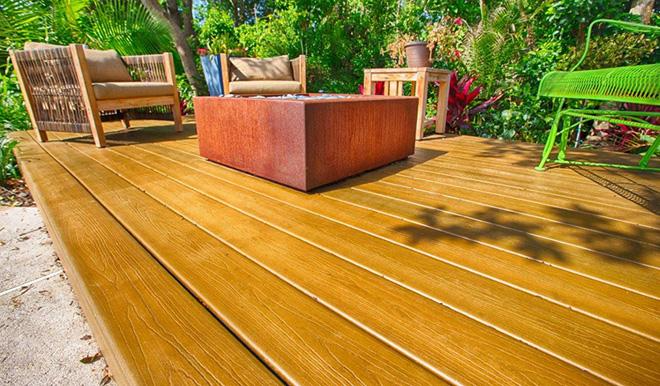
As homeowners endeavour to boost outside aesthetics and performance, fence painting has evolved from plain endlessness to a key design element in current residences. Read the article for more information about choosing the right stain.
Neutral Colors
Earth tones help fences feel inclined and joined part of the outside surroundings, alternatively, an afterthought. They further complement a difference of home styles—from existing essential to rustic up-to-date.
Benefits:
- Enhances nature
- Works well accompanying landscaping and outside illumination
- Easy to coordinate with exterior wall colors
Where it shines: Wooden level fences, garden borders, and privacy panels.
Bold Accents & Two-Tone Fences
While light brown color dominates substantial surfaces, bold accent colors are performing neutral analyses. Painting fence posts, trim, or the lower half of panels in colors like black, muted navy, or jungle green adds insight and optical interest.
Another variation is two-spirit fence painting, which places the top and bottom of a fence feature contrasting but balanced colors. For example, making a light stage shade with a muffled light gray frame forms a contemporary and deliberate look.
Trend highlights:
- Ink hopeless accents for up-to-date minimalism
- Deep sky for seaside hometowns
- Dark green for properties with close, lush views
Tip: Keep contrast cunning to maintain a complex look—avoid excessively brilliant or dissension colors that can optically overwhelm outside scopes.
Matte & Low-Sheen Finishes
Gone are the days of shiny fence paint. In 2026, dull and low-shine finishes are trending for their minimized elegance and strength to lower glare from sunlight.
Experts agree that matte finishes present fences with a refined and logical characteristic. They also help camouflage minor flaws in wood grain or type, creating a more abundant and more uniform surface.
Advantages:
- Contemporary delightful
- Less reflective under sunlight
- Complements minimal and up-to-date apartments
Vertical Stripes & Custom Patterns
Painting methods that combine upright strips, geometric patterns, or rule motifs are popular—especially for accent zones, gates, and short fence segments, familiar porches, and accesses.
This artistic approach increases traits and uniqueness in outside areas, requiring fundamental changes. Subtle patterns utilizing two complementary hues can give existing flair while asserting that the overall look is cohesive.
Creative plans:
- Alternating muted neutrals
- Ombre slope effects
- Pattern accents on door sections
Integrated Lighting & Painted Bases
Fence canvas now frequently goes together with joined lighting designs. Painting lower portions or bases of fence panels in a gloomy color while leaving upper portions lighter can emphasize the landscape explosion and create a sense of wisdom each evening.
Pairing portrayed lower rails with delicate LED uplighting again reinforces safety and designs an alluring environment for outdoor living areas.
Pro Tip: Choose paints with good light-thoughtful characteristics for lighting fittings to intensify shine without hard glare.
High-Contrast Black Frames
Black fences or hopelessly constructed panels are rising in recognition in 2026—especially about contemporary homes following large bottle elements, metal cladding, or essential facades.
A black frame acts as a structural outline for the outdoor range, bringing a particular yet elegant contrast to flowers, plant life, and easier exterior colors.
Considerations:
- Pair dirty with wood grains or easier paint for balance
- Ensure correct surface preparation during staining your face to avoid heat absorption issues
Conclusion
The key is thoughtful color group, durable fabrics, and proper readiness—so your fence looks great and bears the components for years. You can also contact a nearby fence painting company for more ideas.