
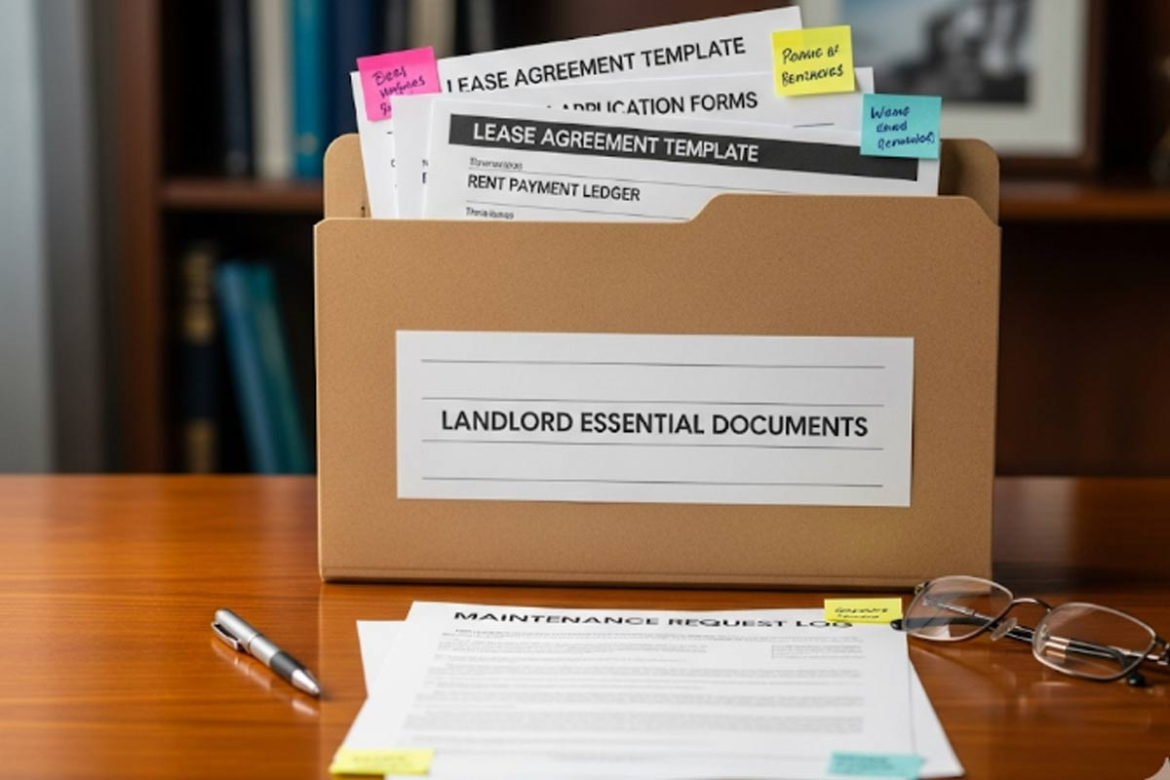
Managing a rental property is more than just collecting rent every month. Landlords also need to stay organized, follow local rental laws, have a fully executed lease and rent receipts, to which most landlords turn to https://www.ezlandlordforms.com for these templates, and keep important paperwork in order. Having a complete list of essential property management forms can help protect both landlords and tenants while making day-to-day property management easier. These documents serve as proof of agreements, payment records, property conditions, and communication between both parties. When properly stored, they can help avoid misunderstandings and support landlords if legal problems happen in the future.
Important Rental Forms Every Landlord Needs
Rental Application Forms
A rental application is usually the first document a landlord collects from a possible tenant. This form gives useful information about the applicant, including employment details, rental history, and references. By reviewing these details carefully, landlords can make better decisions when choosing tenants for their property.
Using the same application form for every applicant also keeps the process fair and organized. A standard form helps landlords compare applicants more easily while making sure everyone goes through the same screening process.
Lease Agreements and Addenda
A lease agreement is one of the most important documents in property management. It explains the rules and responsibilities for both the landlord and tenant during the rental period. This includes the monthly rent amount, payment due dates, maintenance responsibilities, and other important conditions.
Both parties should sign the lease agreement before the tenant moves in. Landlords should also keep both printed and digital copies for safety and easy access. If there are any changes made after the original agreement, such as allowing pets or adjusting rental terms, those changes should be included in written addenda. These additional documents become part of the original lease and should always be stored together.
Tenant Screening Checklist
Tenant screening helps landlords choose reliable renters and protect their property investment. A screening checklist keeps the process organized and ensures every applicant is reviewed fairly.
A complete tenant screening checklist may include:
- Credit score review
- Rental history
- Eviction history
- Background check
- Employment verification
- Income-to-rent ratio
- Landlord references
Carefully reviewing these details can help landlords find tenants who are more likely to pay rent on time and follow lease rules.
Move-In and Move-Out Checklists
Move-in and move-out forms help document the condition of the property before and after a tenant stays there. These checklists often include notes about walls, floors, appliances, plumbing, windows, and other parts of the home.
Keeping detailed records protects both the landlord and the tenant. If damages happen during the rental period, the checklist can help determine whether repair costs should come from the security deposit. It also helps landlords prepare the unit for future tenants more quickly.
Rent Receipts
Rent receipts provide proof that payment was made and received. Even if rent is paid online, keeping receipts is still a smart habit. These records can help prevent disagreements about missed or delayed payments.
Landlords should provide receipts for all payment methods, including cash, checks, and online transfers. Keeping copies of receipts also makes financial record keeping easier during tax season.
Why Organized Rental Records Matter
Late Rent Notices and Notices to Quit
Late rent notices remind tenants when rent payments are overdue. These forms usually include the amount owed, late fees, and the deadline for payment. Sending written notices helps landlords keep communication clear and professional.
If the tenant continues to break lease terms or fails to pay rent, a notice to quit may be required. This document explains the lease violation and what steps the tenant must take to fix the issue. It may also include a move-out deadline if necessary. Proper documentation is important because eviction rules can vary depending on local laws.
Eviction Notices
Sometimes landlords may need to start the eviction process because of unpaid rent, property damage, or repeated lease violations. In these situations, eviction notices become very important.
Landlords should keep copies of all notices, including the dates they were sent and received. Having complete records can help prove that proper legal procedures were followed if the matter goes to court.
Adverse Action Letters
Not every rental applicant will qualify for a property. When an application is denied based on information from background checks or credit reports, landlords may need to send an adverse action letter.
This document explains why the application was not approved and gives applicants information about their rights. Landlords should make sure these letters follow Fair Housing Laws and avoid any form of discrimination.
Lease Renewal Notices
Lease renewal notices help landlords and tenants prepare for the end of a lease term. These documents explain whether the lease will continue, end, or change.
Renewal notices may include:
- Updated rental rates
- Renewal deadlines
- New lease terms
- Move-out instructions if the lease will not continue
Sending these notices early helps both parties plan ahead and avoid confusion.
The Importance of Proper Record Keeping
Keeping organized rental records benefits landlords in many ways. Good documentation creates clear communication, supports legal protection, and helps simplify property management tasks.
Proper record keeping can help landlords:
- Track rent payments and deposits
- Keep important tenant information organized
- Prepare financial records for taxes
- Protect themselves during disputes or legal issues
- Maintain consistency across all rental properties
Using organized files, whether digital or physical, saves time and reduces stress. It also allows landlords to quickly find documents whenever needed.
Final Thoughts
Managing rental properties becomes much easier when landlords keep the right forms and records on file. From rental applications to lease agreements and inspection checklists, every document plays an important role in protecting both the property owner and the tenant.
Staying organized not only helps landlords follow legal requirements but also creates a more professional rental experience. By keeping accurate records and using complete property management forms, landlords can better protect their investments and maintain smoother relationships with tenants.
